Home Meets… Beth from West Kirby Rotary Club –...
Since opening our brand new estate agency in last year we have met a number of local independent business owners and have


We are often asked ‘what is the difference between freehold and leasehold property?’. If you are buying a property in the UK, it is essential to understand the difference.
In this article, we explain the different forms of homeownership, the important aspects of a leasehold agreement and answer some of our most frequently asked questions on the topic.
When you are browsing property portals looking for homes for sale, most of the properties you find will either be freehold or leasehold. You may also come across ‘share of freehold’ properties and very occasionally commonhold.
So what do freehold and leasehold mean, and how does share of freehold compare to leasehold?
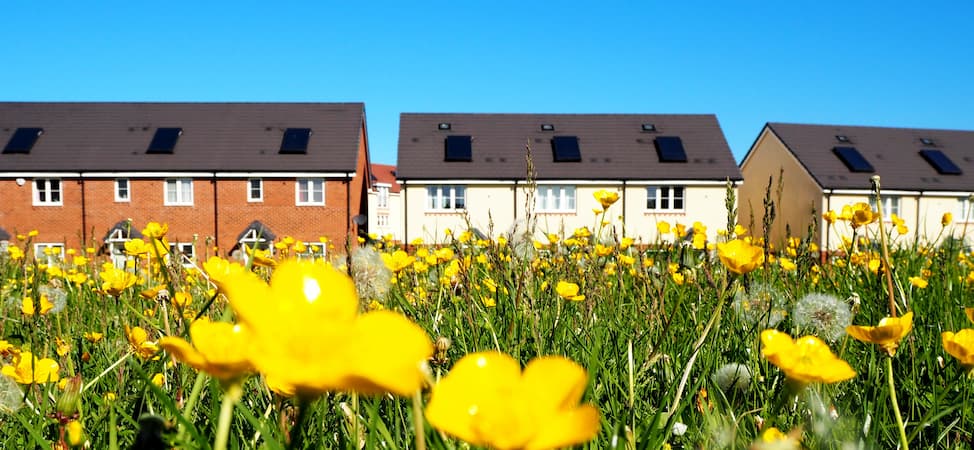
If you buy a freehold property, you will own both the building and the land it stands on with no time limit. This is the most typical way of selling houses as they are standalone properties. However, some new-build homes are now being sold with a leasehold, so make sure you check.
Key Features of Freehold:
Purchasing a leasehold gives you the right to live in the property for the period specified in the lease. Ownership of the property returns to the landlord when the lease comes to an end. However, most leases are long, some as long as 999 years, and it is possible to extend a short lease. Most flats in England are owned on a leasehold basis.
Key Feature of Leasehold:
In your property search, you may come across leasehold flats that offer a share of freehold. With share of freehold, the property is owned by a company and the flat owners each own a share of this company.
There is still a lease that defines all the rules and regulations which all flat owners must adhere to. This ensures all flat owners contribute financially towards the maintenance of the building and prevents disputes between tenants.
Commonhold is a variant of freehold and is championed by anti-leasehold groups who would like to see this replace leasehold.
It works by giving each property owner in a block of flats equal rights to a part of the freehold along with an equal responsibility in the maintenance of shared areas. Its main benefits are that there are no time limits or leases to extend, and shared spaces are managed between the property owners without the need for third-party management companies. Commonhold has yet to gain popularity in the UK.
Most leaseholders will pay service charges to the freeholder or company responsible for managing the property. Service charge usually covers things like repairs, maintenance and improvements to communal areas and the structure of the building.
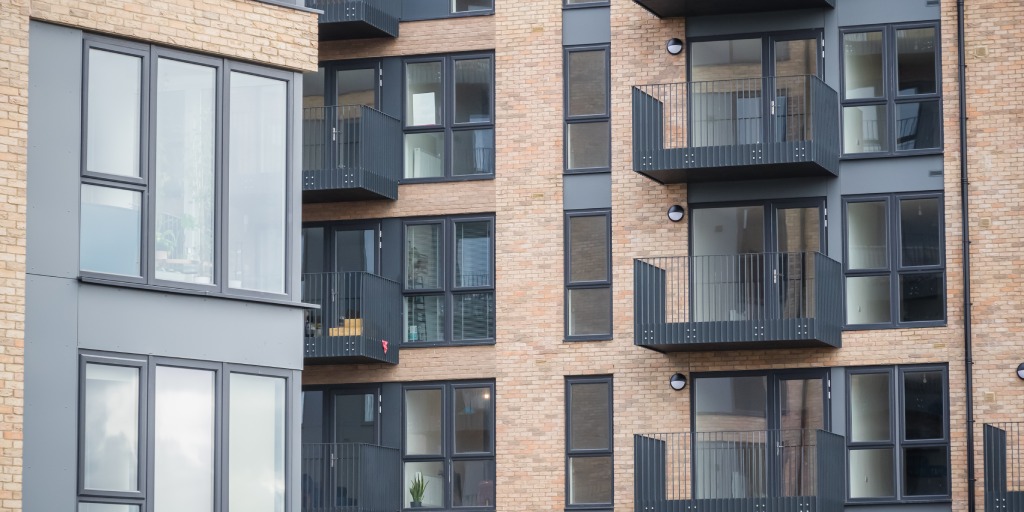
Ground rent is a fee charged on leasehold properties for the land your home is on. Increases in ground rent must be detailed in the leasehold document, so make sure you look at this carefully.
Ground rent is not an issue for most leaseholders. The concept of ground rent stems from a time when the terms of a lease could not be enforced unless there was a set ground rent, however small. In modern times, if you extend your lease, your ground rent will usually be reduced to zero.
A sinking fund covers large-scale works that a building may require. Not all leasehold agreements include a sinking fund, but those that do will require leaseholders to pay into a fund set aside for major structural works in the future.
Conveyancing fees are likely to be higher when buying a leasehold property because of the complexity of the leasehold contract.
Friction between freeholders and leaseholders is fairly common.
Leaseholders often complain that freeholders don’t maintain the building to a sufficiently high standard or keep common areas clean and tidy. Fees are also a source of contention, with many leaseholders feeling they are being overcharged.
Freeholders complain that the leaseholders breach the lease terms, for example, sub-letting, undertaking building works or getting a pet without permission.
Right to Manage (RTM) lets some leasehold property owners take over management of the building – even without the agreement of the landlord. The leaseholders must give the landlord notice that they plan to do this.
If the leaseholders are successful, the landlord (freeholder) will still own the building, but the leaseholders will manage it.
The leaseholders will setup an RTM company, the freeholder has a right to be a member of this company and will get at least one vote.
The RTM company will be responsible for things like:
New leases usually last for up to 125 years, although it’s possible to have a lease for up to 999 years.
When the term of the leasehold reaches zero years, the property reverts to the freeholder. The value of properties with short leases will rapidly reduce as the lease period decreases. A residential lease with less than 80 years left to run constitutes a short lease.
When buying a leasehold property, check how many years are left on the lease and how many will likely remain by the time you come to sell.
Leaseholders have a legal right to extend their lease but only after living in the property for two years. The costs of extending a lease are significant and comprise the premium payable to the freeholder as well as legal costs and taxes. The premium amount is negotiated between the freeholder and the leaseholder and is based on the increase to the value of the property following the lease extension. Typically, the leaseholder can expect to pay the freeholder 50% of the increase in value.
The main problem with leasehold is that your home usually devalues over time as the period of the lease decreases. Whereas freehold properties generally increases in value. However, a very long lease is considered as good as freehold, and new government reforms will give leaseholders the right to extend their lease by 990 years.
Below we summarise the advantages and disadvantages of freehold and leasehold properties:
For more information about both freehold and leasehold properties please contact us on 0151 625 0125.

Since opening our brand new estate agency in last year we have met a number of local independent business owners and have

Since opening our brand new estate agency in July last year we have met a number of local independent business owners and

MARKET UPDATE As we enter the final two months of the year many people begin their Winter hibernation period. For others it